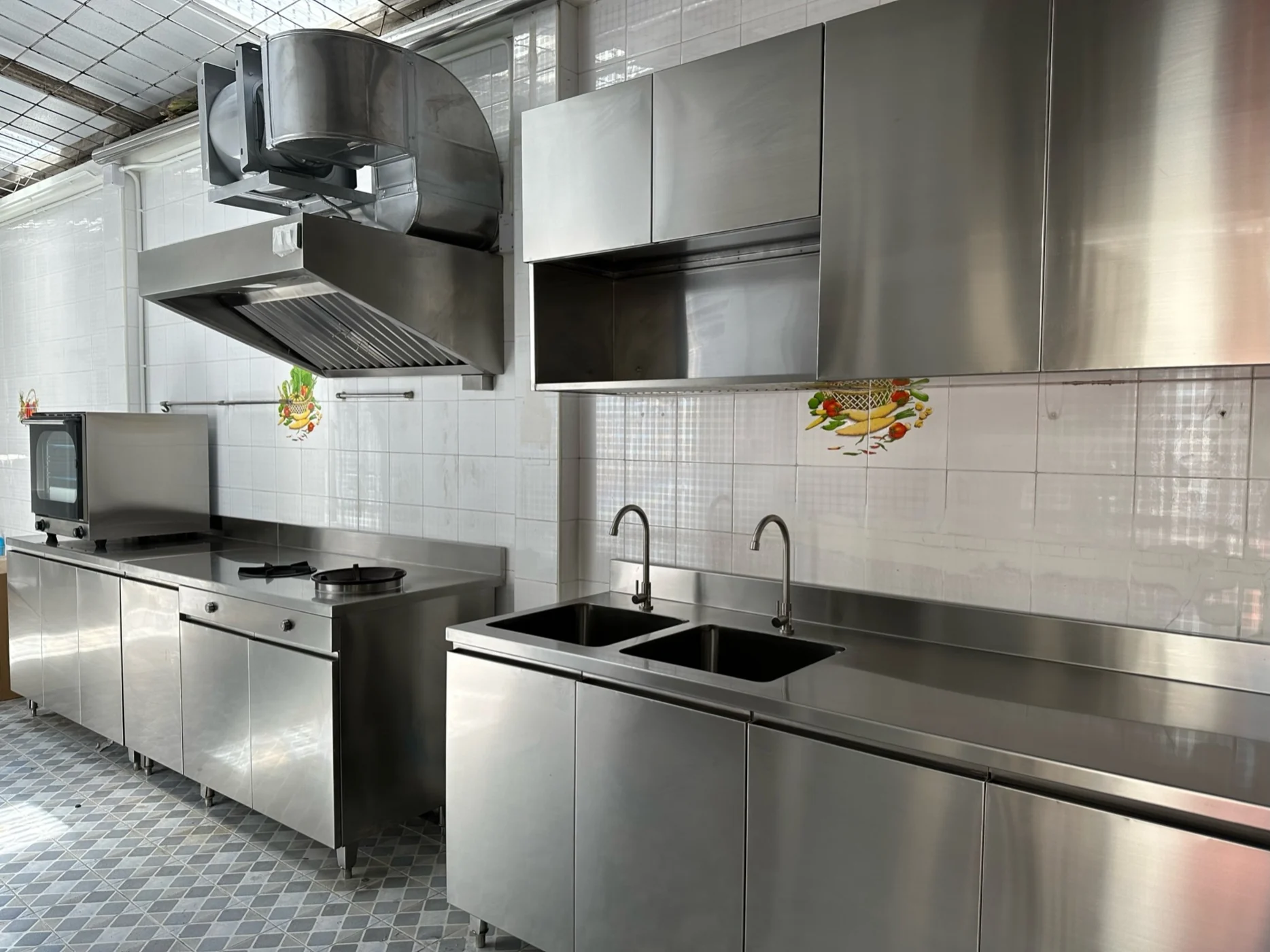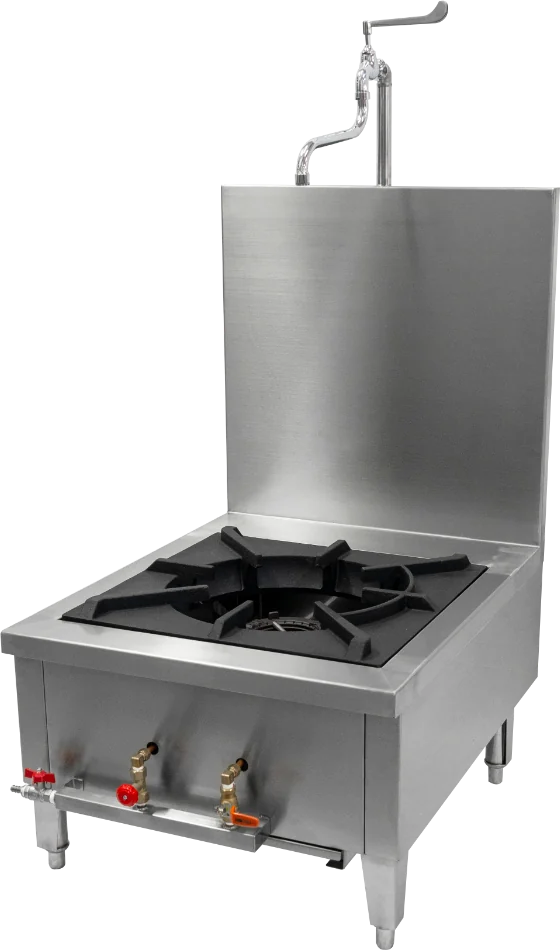
Explain what the piece needs to do
Begin with the intended use. Is the piece a work surface, an equipment stand, a sink unit or another item? Describe what will sit on it, connect to it or be stored inside it. Include reference photographs and identify which features you want to discuss.
Make the dimensions unambiguous
Show width, depth and height, including the units. Identify the front of the item and the orientation of any openings, shelves, upstands or connections. Mark dimensions as measured, approximate or still to be confirmed.
Explain how the piece relates to nearby walls, equipment and access routes. If a site measurement is needed, raise that requirement before treating a drawing as a final specification.
List the details that need agreement
State any material, surface finish or construction requirements already included in your brief. If you do not have a specification, describe the intended use and ask for the options to be discussed. Avoid copying an unverified specification from an unrelated product.
- Drawing or sketch with dimensions and units.
- Intended use and location photographs.
- Required quantity and configuration.
- Connections or interfaces with other equipment.
- Any specified materials, finishes or accessories.
Keep one clear version of the brief
Label revisions so the drawing and quotation can be checked against the same requirement. Before proceeding, review the agreed dimensions, materials, included items and commercial terms. Changes should be clear in the revised documents.
A preliminary enquiry can contain open questions. Make those questions visible so they can be resolved during the specification discussion.
YOUR NEXT STEP
Put the brief to work.
Use these questions to prepare your enquiry, then explore the service or equipment relevant to your requirement.
Explore custom fabrication ↗